
Uterine fibroids are one of the most common non-cancerous growths in women of reproductive age. While many women may not experience symptoms, others can face discomfort that affects their daily life. Understanding the diagnosis and treatment options is essential for timely care and better health outcomes.
What Are Uterine Fibroids?
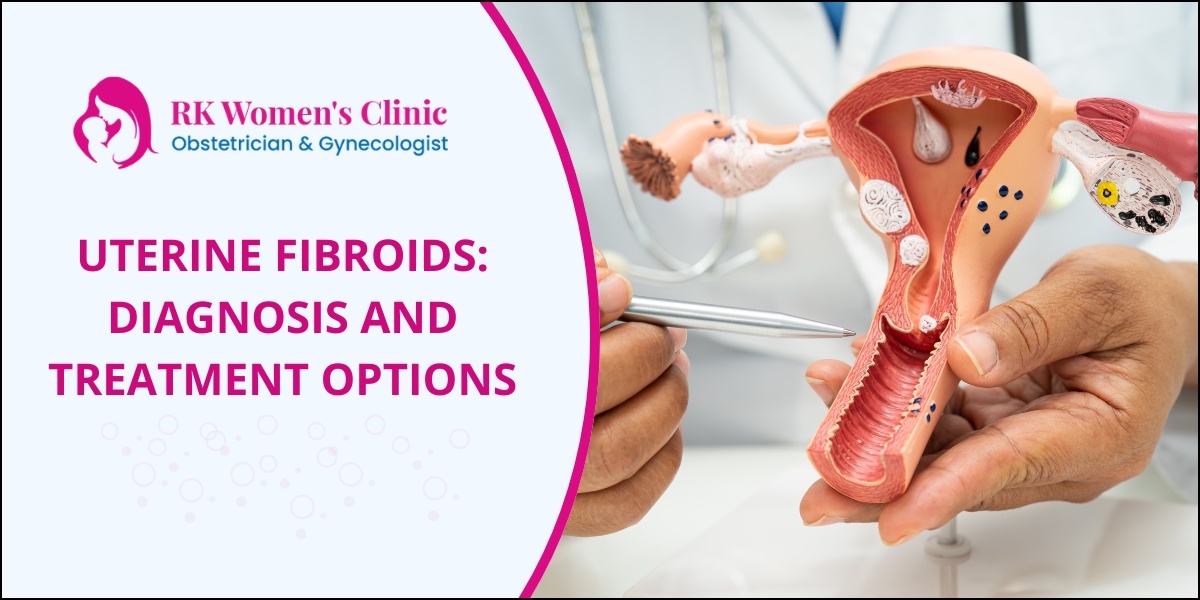
Uterine fibroids (also called leiomyomas) are benign tumors that develop in or around the uterus. Their size can vary—from tiny, undetectable nodules to large masses that can distort the uterus.
Types of fibroids include:
- Intramural fibroids (within the uterine wall)
- Subserosal fibroids (on the outer surface)
- Submucosal fibroids (inside the uterine cavity)
- Pedunculated fibroids (attached by a stalk)
Common Symptoms
Many women may not notice any symptoms. However, when symptoms occur, they may include:
- Heavy or prolonged menstrual bleeding
- Pelvic pain or pressure
- Frequent urination
- Pain during intercourse
- Lower back pain
- Difficulty in conceiving (in some cases)
Causes and Risk Factors
The exact cause of fibroids is still unclear, but several factors may contribute:
- Hormonal imbalance (especially estrogen and progesterone)
- Genetic predisposition
- Obesity
- Early onset of menstruation
- Lifestyle factors
Diagnosis of Uterine Fibroids
Early diagnosis helps in effective management. Doctors may recommend:
1. Pelvic Examination
A routine exam may reveal abnormalities in the uterus.
2. Ultrasound
The most common imaging test used to detect fibroids.
3. MRI Scan
Provides detailed imaging to evaluate size, number, and location.
4. Hysteroscopy
A small camera is inserted into the uterus to examine fibroids.
5. Blood Tests
To check for anemia due to heavy bleeding.
Treatment Options for Uterine Fibroids
Treatment depends on symptoms, size of fibroids, age, and future pregnancy plans.
1. Medications
- Hormonal therapies to regulate periods
- Pain relievers
- GnRH agonists to shrink fibroids temporarily
2. Minimally Invasive Procedures
- Uterine artery embolization (blocks blood supply to fibroids)
- MRI-guided focused ultrasound surgery
3. Surgical Treatments
- Myomectomy – Removal of fibroids while preserving the uterus
- Hysterectomy – Complete removal of the uterus (permanent solution)
4. Lifestyle Management
- Healthy diet and weight control
- Regular exercise
- Stress management
When to See a Doctor?
Seek medical attention if you experience:
- Severe pelvic pain
- Heavy bleeding affecting daily life
- Sudden increase in abdominal size
- Fertility issues
About RK Women’s Clinic
RK Women’s Clinic is a trusted center for comprehensive women’s healthcare, offering advanced diagnosis and personalized treatment for conditions like uterine fibroids. With a patient-centric approach, the clinic focuses on providing safe, effective, and minimally invasive solutions tailored to each woman’s needs, ensuring comfort and long-term well-being.
FAQs on Uterine Fibroids
1. Are uterine fibroids cancerous?
No, fibroids are non-cancerous (benign) growths.
2. Can fibroids affect pregnancy?
Yes, depending on their size and location, they may cause complications.
3. Do fibroids go away on their own?
Some fibroids may shrink after menopause due to hormonal changes.
4. Is surgery always necessary?
No, many fibroids can be managed with medication or minimally invasive treatments.
5. How common are uterine fibroids?
They are very common, affecting up to 70–80% of women by age 50.